How Montana will deploy a boatload of federal funds to overhaul its rural healthcare system will be steered, in part, by a group of medical providers, industry professionals and hospital administrators selected by the state health department and announced earlier this month.
Jul 16, 2026
Glasgow's Nick Dirkes Part of Advisory Council Selected to Oversee Spending of a Billion Dollars on Health Care in Montana
The state is poised to receive more than $1 billion in the next five years as part of the Trump administration’s Rural Health Transformation Program, a multi-billion-dollar sweepstakes that aims to offset cuts to Medicaid bundled into the federal budget bill passed last summer. Of that, $233 million has already hit Montana’s bank account and must be obligated to projects by late October or be at risk of being returned to the federal government.
Members of the newly minted advisory council are tasked with guiding the largest single investment included in Montana’s proposal for how to use the funds. That effort, dubbed the Center of Excellence, will include making recommendations for how rural hospitals can make changes to get on more solid financial footing.
The project is still fairly opaque, though what’s known — specifically the idea of “right-sizing” small hospital operations — has already sparked concerns about consolidation and closures.
Selection of the 25-person advisory council, which will be responsible for navigating those challenges and providing input on the center’s work, marks a key step forward in the state’s plan to infuse millions of dollars into the healthcare system.
Council members include:
- 1 rural health care consumer: Lily Wahl, Dutton, teacher/parent/advocate
- 1 rural primary care clinician: Julie Cross, DO, Eureka, family medical doctor and medical director of Logan Health Eureka
- 1 tribal health representative: Joel Rosette, Box Elder, CEO of Rocky Boy Health Center
- 4 members represent prospective payment system (PPS) hospitals: John Goodnow, FACHE, Great Falls, CEO of Benefis Health System; Lee Boyles, headquartered in Billings, president of Intermountain Health Montana and Wyoming; Kathryn Bertany, MD, MBA, Bozeman, CEO of Bozeman Health; James Duncan, Billings, Billings Clinic Foundation president emeritus
- 6 critical access hospitals (CAH)/rural emergency hospitals (REH) representatives, including:
- 2 owned by or affiliated with a PPS hospital: Parker Powell, Glendive, CEO of Glendive Medical Center; Abby Lotz, Red Lodge, CEO of Beartooth Billings Clinic
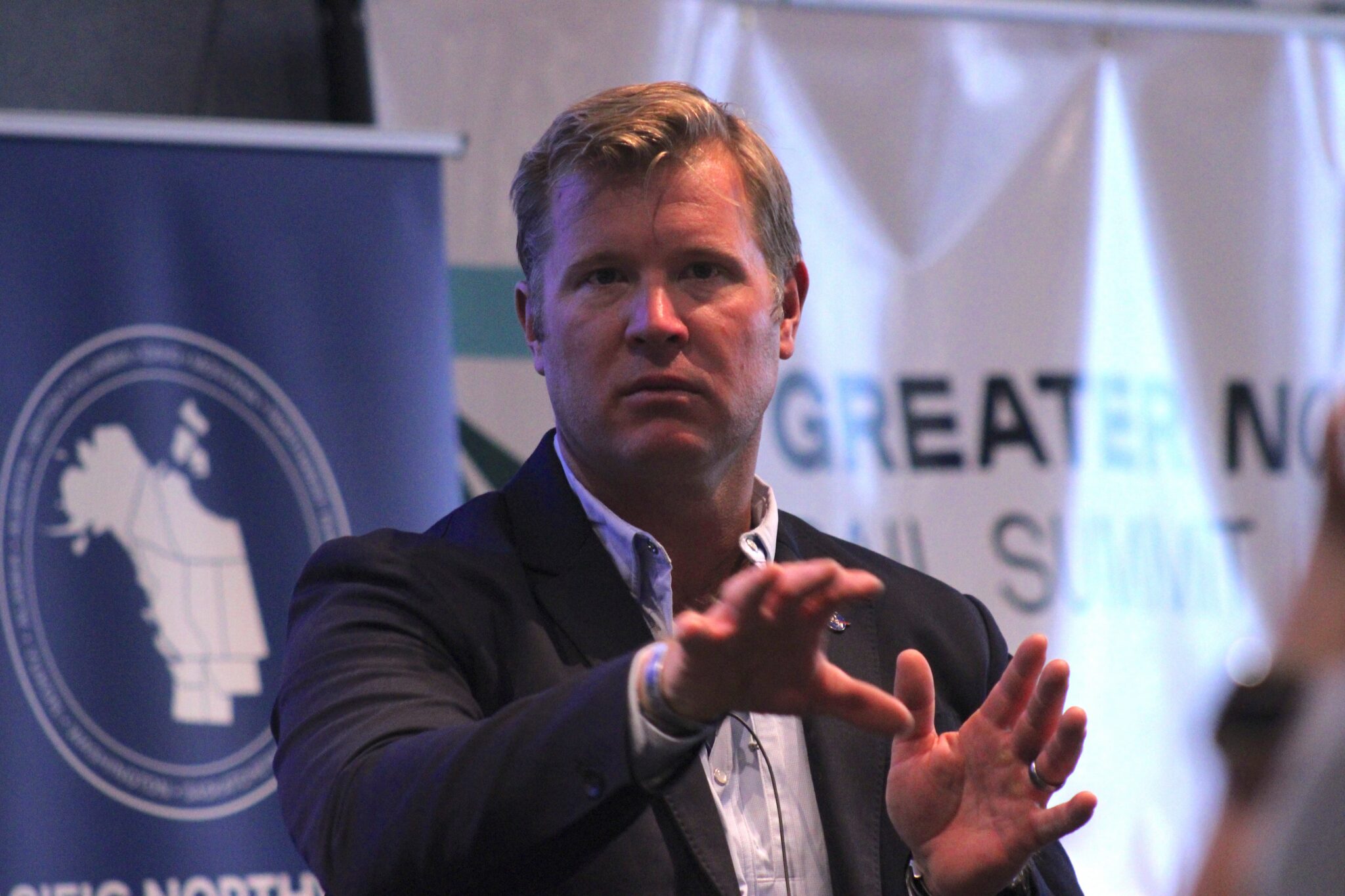
- 4 independent, non-affiliated CAH or REH facilities: Greg Hanson, MD, Plains, CEO of Clark Fork Valley Hospital; Nickolas Dirkes, MHA, Glasgow, CEO of Francis Mahon Deaconess Hospital; Steve Todd, Ronan, CEO of St. Luke Community Healthcare; Kevin Harada, MD, Havre, President and CEO of Northern Montana Health Care
- 2 federally qualified health center representatives: Jamie Brownell, Valier/Shelby, CEO of Marias Healthcare Services, Inc.; David Mark, MD, Hardin, CEO of One Health
- 2 DPHHS representatives: DPHHS Director Charlie Brereton, State Medicaid Director Rebecca de Camara
- 3 legislators: Rep. Jodee Etchart, R-HD51; Sen. Carl Glimm, R-SD3; Sen. Chris Pope, D-SD33
- 1 statewide hospital organization representative: Ed Buttrey, president and CEO of Montana Hospital Association (non voting)
- 1 statewide primary care organization representative: Olivia Riutta, CEO of Montana Primary Care Association (non voting)
- 1 health care facility-owned organization/professional network representative: Chris Hopkins, CEO of Montana Health Network, Inc. (non voting)
- 2 health insurance carrier representatives: Blair Fjeseth, CEO of Mountain Health Co-Op; Lisa Kelley, President of Blue Cross Blue Shield of Montana (non voting)